




Navigating the Winding Paradox in Robotic Motors
From humanoid robots and robot dogs to advanced industrial cobots, modern robotic systems demand extreme torque control and ultra-stable motion. GMW provides production-proven stator winding solutions—specifically engineered for the complex BLDC and servo motors driving today's intelligent actuators.
To achieve peak torque and electromagnetic efficiency, robotic motors demand two conflicting design elements: narrow stator slot openings and heavy wire diameters for maximum copper fill.
The Accessibility Challenge
Narrow slot openings severely restrict wire insertion and winding tool access.
The Wire Stiffness Dilemma
Larger wire gauges drastically increase stiffness, making precise coil formation difficult.
The Manufacturability Risk
Combined, these factors can critically compromise winding stability and yield rates.
Overcoming Challenges Through DFM Engineering
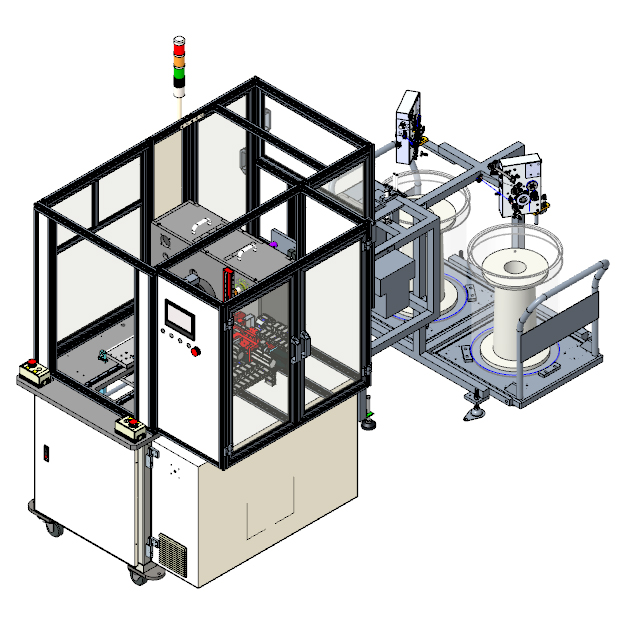
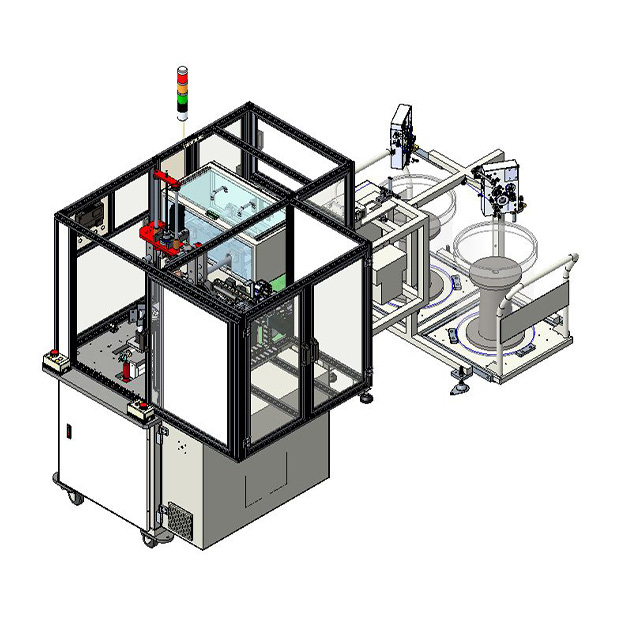
GMW bridges the gap between ambitious motor designs and scalable production. By engaging in Design for Manufacturing (DFM) collaboration early, we help customers find the optimal balance between electromagnetic performance and manufacturability.
Geometry Optimization
Collaborating on slot opening designs to enhance tool clearance without sacrificing flux.
Advanced Winding Tech
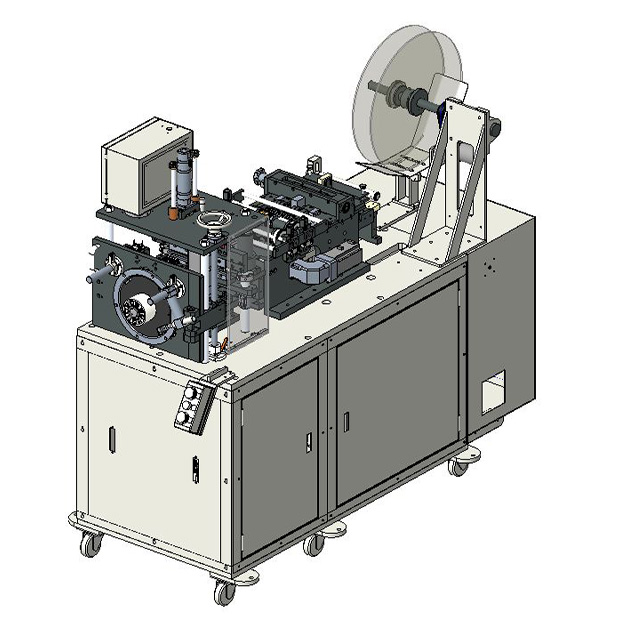
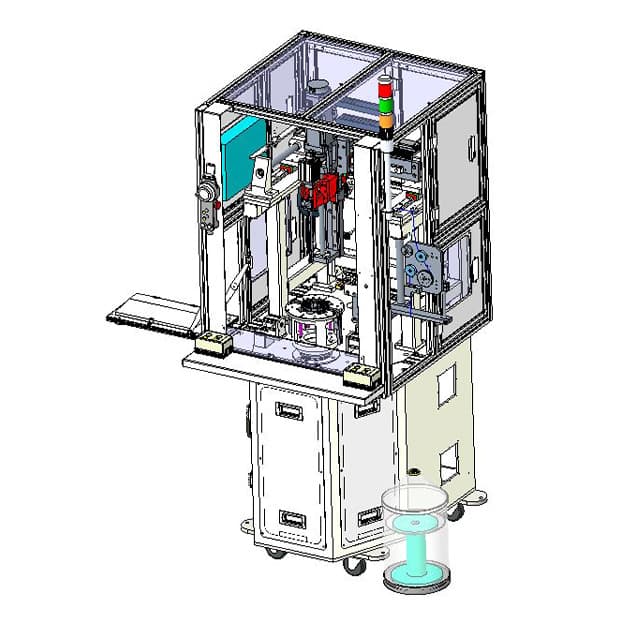
Needle Winding: For ultra-compact stators requiring precise wire placement through narrow slots.
Flyer Winding: For high-speed, stable coil formation in high-volume PMSM applications.
Process Stability Control
Engineering winding trajectories and tension management to tame heavy wire stiffness.
Typical Motor Specifications Supported
| Parameter | Typical Range |
|---|---|
| Stator Outer Diameter | 30-150 mm |
| Stack Height | 20-80 mm |
| Wire Diameter | 0.2-1.2 mm |
| Motor Type | BLDC / PMSM / Servo |
| Applications | Robot joints, robot dog joints, actuators, humanoid robots, industrial robots, collaborative robots |
-
-
-

-

-
-
Hot

-